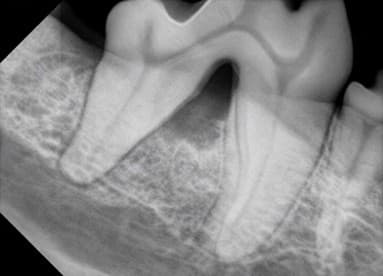
As part of this consultation, an initial, shorter session was scheduled to review the case and determine the most appropriate plan of action. Following assessment of the dental radiographs and the primary lesion, an appropriate timeframe for further investigation and management of this specific case was established.
During this first session, it was agreed that a second biopsy should be performed, with specific sampling instructions provided to optimize the quality and diagnostic value of the specimen. The appropriate communication strategy with the owner was also discussed, with the aim of ensuring that decisions remained focused on the best interests of the patient.
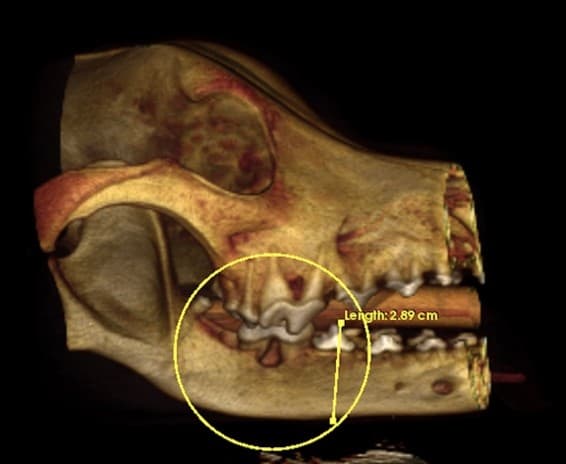
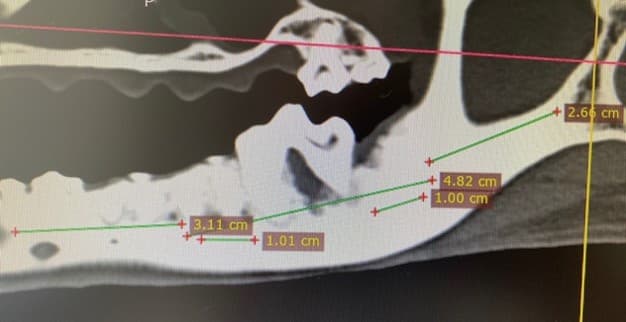
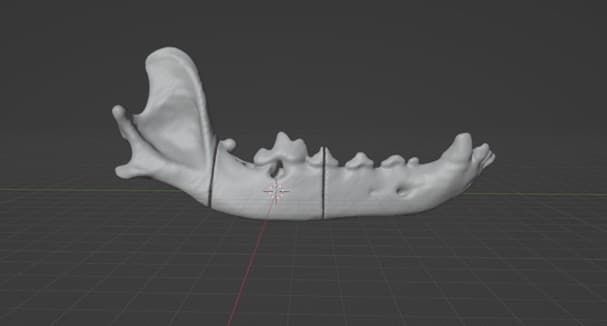
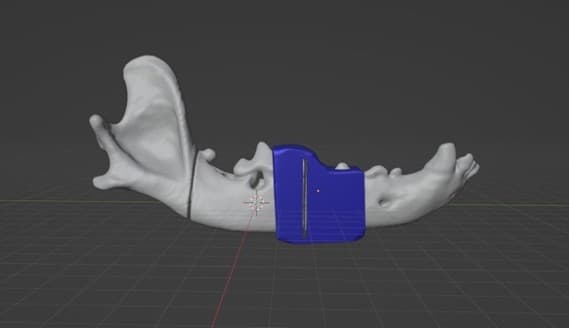
Once a definitive diagnosis had been established, a second consultation was scheduled, this time incorporating the CT examination of the lesion. During this session, a virtual 3D model of the affected bone and lesion was created and used to assess the available surgical options, together with their respective advantages and limitations.
The surgical options discussed included partial, segmental, and marginal mandibulectomy, with consideration given to the extent of tissue removal and the possibility of adopting the most conservative approach appropriate for the confirmed diagnosis.
Based on the measurements of the lesion and the final diagnosis of undifferentiated carcinoma, with no involvement of the mandibular canal, a segmental mandibulectomy followed by plate reconstruction was considered the preferred option, offering the best balance between appropriate oncological treatment and preservation of mandibular function.
Once the clinician's requirements had been defined, the virtual 3D model was made available on the platform, and a custom surgical guide was produced and sent by priority mail.
At the end of the session, the veterinarian has a structured case management and surgical plan, including the rationale for the recommended technique, a virtual 3D model, and the relevant technical steps. This provides a practical framework for proceeding with the procedure, provided that the veterinarian has the necessary technical resources, facilities, and experience.